How to Sleep Well on a Plane?
Sleeping well on a plane requires managing four key factors: noise, light, posture, and the timing of your sleep relative to your destination time zone. The cabin environment is hostile to sleep — dry, slightly cold, noisy, with limited space. But with the right preparation and equipment, quality sleep on a long-haul flight is achievable. The difference between a good in-flight sleep and a restless one is mostly preparation, not luck.
In-flight sleep quality has a direct impact on jet lag recovery: How to Effectively Manage Jet Lag After a Flight?. For other comfort considerations on long flights: 4 Travel Tips to Make Flights More Enjoyable.
Seat Selection: The Foundation of In-Flight Sleep
Window seats
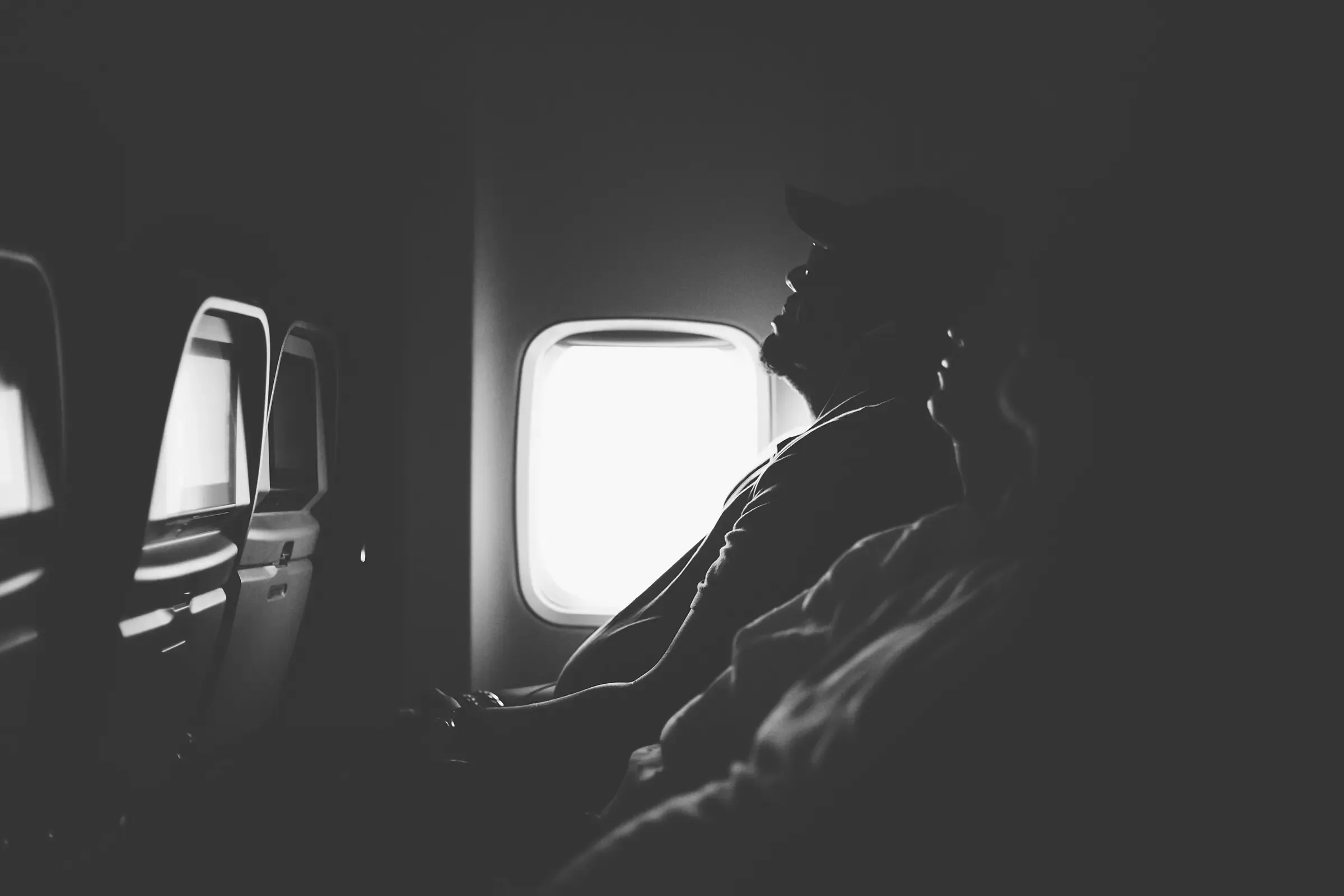
The window seat is the gold standard for sleeping: you have a wall to lean against, you control the window shade (and therefore light), and no one will ask you to get up. The trade-off is that getting to the aisle requires climbing over your row-mates, so it works best for people who don't need frequent bathroom visits.
Avoiding the middle and bulkhead rows
Middle seats offer the worst sleep conditions: no wall to lean on, the highest chance of being disturbed from both sides. Bulkhead rows (directly behind a partition) have limited under-seat storage and sometimes hold baby bassinets — not ideal if you need quiet.
Business class and beyond
Lie-flat business class seats represent a step-change in sleep quality. If you have access — through points, upgrades, or budget — the investment is particularly worthwhile on overnight long-haul flights over 9 hours. Anecdotally, many passengers report that a properly slept transatlantic flight in business class produces less jet lag than an economy flight on the same route.
Equipment: What Actually Works
Noise-canceling headphones
Noise-canceling headphones are the single most impactful sleep accessory for a plane. Cabin noise (engine hum, air conditioning, conversations) is a consistent sleep disruptor. Quality noise-canceling headphones (Sony WH-1000XM series, Bose QuietComfort series) eliminate the low-frequency engine drone almost completely. Use them with white noise, ambient sound, or simply in active-cancellation mode.
Earplugs
Foam earplugs are the budget version. They reduce noise effectively (27–33 dB noise reduction rating) and are particularly good at cutting high-frequency sounds (conversations). Less effective against low-frequency engine hum than active noise cancellation.
Sleep mask
A high-quality sleep mask that blocks light completely — including from cabin lighting and IFE screen light from other passengers — is essential on daytime or dawn flights, and useful any time the cabin lighting is inconsistent with sleep. Look for contoured masks that don't press directly on the eyes.
Neck pillow
A supportive neck pillow prevents the 'head-drop' that jolts you awake after 20 minutes. Memory foam or inflatable wrap-around designs are more effective than the standard horseshoe shape, which doesn't prevent forward head drop.
Compression socks
Compression socks improve circulation during long sedentary flights. Better circulation equals less discomfort (swelling, restless legs), which improves sleep quality on flights over 6 hours.
Timing and Behavioral Strategy
Align sleep with destination time
The most important strategic question is: should you sleep or stay awake on this flight? The answer depends on what time it will be at your destination when you land. If you're landing in the morning, staying awake through the night flight and sleeping a full night at your destination is often a better strategy than sleeping on the plane. If you're flying overnight to arrive in the afternoon or evening, sleep on the plane. For a detailed discussion: How to Effectively Manage Jet Lag After a Flight?.
Avoid screens before sleep
Blue light from screens suppresses melatonin production and delays sleep onset. Activate 'night mode' on your screen, dim it to minimum brightness, or switch to audio entertainment (podcasts, music, audiobooks) for 30–45 minutes before your planned sleep window.
Avoid alcohol
Alcohol makes it easier to fall asleep but dramatically reduces sleep quality — specifically, it suppresses REM sleep and leads to more frequent awakening in the second half of sleep. A drink at the airport may help initial relaxation, but drinking on board produces worse sleep than not drinking, despite the sedating effect.
Medications and Supplements
Melatonin (0.5–3 mg) taken 30 minutes before your intended sleep window at destination time is the best-supported pharmacological sleep aid for in-flight use. It helps shift the circadian clock and reduces sleep onset time without the hangover effect of sedative medications.
Sedating antihistamines (diphenhydramine/Benadryl) produce drowsiness but also impair sleep quality and produce next-day grogginess. Low-dose prescription sleep aids may be appropriate for some travelers in consultation with a physician — but they should not be combined with alcohol.
Sources
The Sleep Foundation's in-flight sleep guide covers the evidence on techniques and timing: Sleep Foundation: How to Sleep on a Plane.
Cleveland Clinic offers clinical guidance on sleeping in-flight: Cleveland Clinic: Tips for Sleeping on a Plane.
Healthline's practical guide covers positioning, equipment, and behavioral strategies: Healthline: How to Sleep on a Plane — 7 Tips.
FAQ
Is it safe to take sleeping pills on a plane?
Low-dose, short-acting prescription sleep aids can be safe for healthy adults on long flights, but should only be taken under medical guidance. Never combine sleep medication with alcohol. Movement (getting up every 2–3 hours) is recommended on long flights to reduce deep vein thrombosis risk — sedatives that produce heavy sleep may interfere with this.
Why do I always wake up at the same time on long flights?
Sleep on a plane cycles through lighter and deeper stages just as it does on the ground. You typically wake during a light sleep phase — which, in the aircraft environment (noise, movement, dryness), is more easily triggered than at home. Maintaining a consistently dark and quiet environment (mask + noise cancellation) reduces these wake events.
Does the type of aircraft affect sleep quality?
Yes. The Boeing 787 Dreamliner and Airbus A350 have higher cabin pressure (equivalent to 6,000 vs. 8,000 feet), higher humidity, and better noise insulation than older jets. Many frequent flyers report meaningfully better sleep on these aircraft. If you have a choice, they are worth seeking for overnight long-haul routes.
Sleep Better, Travel Better
Good in-flight sleep starts with good preparation. For a full list of tips: Flying with an Ear Problem: Tips and Precautions!.
If flight anxiety is keeping you awake rather than the environment, our fear of flying programs can help.